
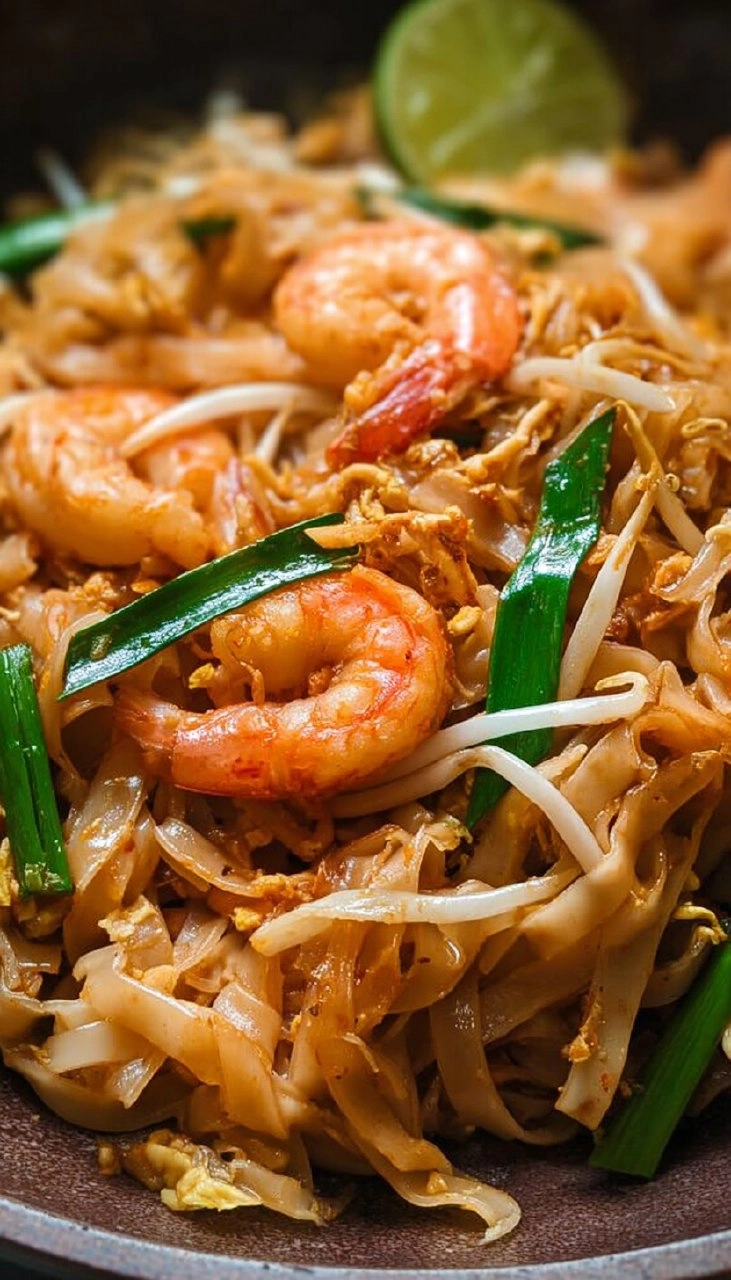
Shrimp Pad Thai is a popular Thai street food that’s brimming with flavor, offering a delightful combination of sweet, savory, and nutty elements. This dish is a rainbow on your plate, showcasing glossy rice noodles tangled with vibrant veggies, fresh shrimp, and a punchy sauce that wraps everything together beautifully. Unlike many store-bought options, homemade Shrimp Pad Thai captures the essence of authentic Thai flavors while ensuring you have the freedom to adjust every component to your taste.
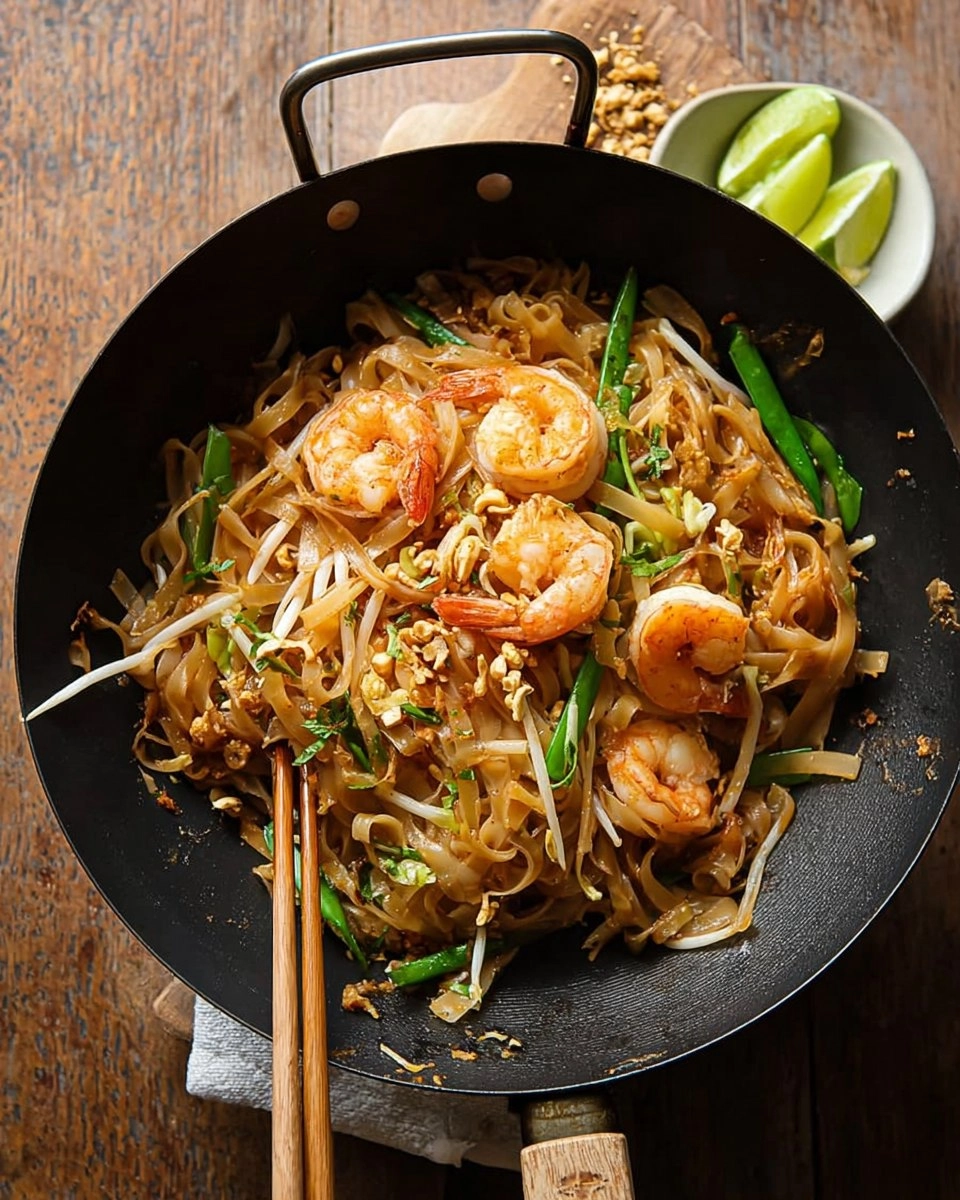
I first fell in love with Shrimp Pad Thai during a trip to Thailand, savoring the explosion of flavors and textures in each bite. It was incredible to see how something so seemingly simple could carry such depth of flavor. Thankfully, you don’t have to fly halfway across the world to enjoy it; this recipe lets you bring that Thai culinary experience right into your kitchen! Whether you’re whipping up a quick dinner after a long day or impressing friends at a dinner party, this dish is sure to bring smiles around the table. Let’s jump right into making some mouthwatering Shrimp Pad Thai!
Table of Contents
Why You’ll Love This Recipe
- Simple & Quick: Takes around 30-40 minutes to make, perfect for weeknight dinners.
- Irresistible Flavor: The combination of tamarind, fish sauce, and lime creates a symphony of taste.
- Eye-Catching Appeal: A colorful dish that looks great on any table.
- Flexible Serving: Great for lunch or dinner, and easily customizable for guests’ preferences.
- Diet-Friendly Options: Easily made gluten-free or with vegetarian substitutions.
Ingredients You’ll Need
- 8 oz rice noodles: A must-have for authentic Pad Thai; they provide the perfect chewy texture.
- 1 lb shrimp: Fresh or frozen works; shrimp brings a sweet, briny flavor that’s simply irresistible.
- 2 tablespoons vegetable oil: Essential for stir-frying, giving a light and crispy texture; you can use peanut oil for more flavor.
- 2 eggs: They add a rich, creamy texture; whisk them first for easy incorporation into the dish.
- 1 cup bean sprouts: Fresh and crunchy, these little sprouts add a delightful crunch and freshness.
- 2 green onions: Chopped to sprinkle on top; their mild onion flavor contrasts beautifully.
- 1/4 cup crushed peanuts: For a nutty flavor and extra crunch; you can substitute with sunflower seeds for a nut-free option.
- 3 tablespoons fish sauce: Provides a salty umami flavor; soy sauce can be a suitable substitute for a vegetarian option.
- 2 tablespoons tamarind paste: A key flavor component; look for it in Asian markets or online.
- 1 tablespoon sugar: Balances the savory aspects; brown sugar adds a richer flavor.
- 1 lime: Use wedges for serving; the acidity of the lime really brightens up the dish.
How to Make Shrimp Pad Thai
- Soak the Noodles: Place the rice noodles in a large bowl filled with warm water. Let them soak for about 20-30 minutes until they are soft and pliable, then drain and set aside.
- Prepare the Sauce: In a small bowl, whisk together the fish sauce, tamarind paste, and sugar until smooth. Set it aside to let the flavors meld.
- Heat the Oil: In a large skillet or wok, heat the vegetable oil over medium-high heat until shimmering but not smoking.
- Cook the Shrimp: Add the shrimp to the pan. Sauté until they turn pink and opaque, about 3-4 minutes. Remove from pan and set aside.
- Scramble the Eggs: In the same pan, push the shrimp to one side and pour the beaten eggs into the pan. Stir gently until scrambled and just set.
- Add Noodles: Add the drained rice noodles to the skillet with the eggs, and toss everything gently together.
- Incorporate Sauce: Pour in the prepared sauce and toss continuously for about 2-3 minutes, allowing the noodles to absorb the flavor.
- Mix Veggies: Stir in the bean sprouts and green onions. Cook for another minute until the bean sprouts are just tender but still crisp.
- Serve: Divide the Pad Thai among plates and top with crushed peanuts and lime wedges. Enjoy that beautiful aroma!
Storing & Reheating
To store your Shrimp Pad Thai, let it cool completely before placing it in an airtight container. It will keep in the fridge for about 3 days. For longer storage, you can freeze it for up to 3 months. When you want to enjoy it again, thaw overnight in the fridge or at room temperature, then reheat it on the stove with a splash of water or broth over medium heat. Note that some texture might change slightly after freezing, but a quick stir-fry will bring some life back!
Chef’s Helpful Tips
- Be careful not to overcook the shrimp; they should be just done to prevent them from becoming rubbery.
- Make sure your noodles are not too soft before pan-frying; they should be al dente for the best texture.
- Adjust the fish sauce and tamarind to your taste preference for distinct flavors.
- Don’t skip the lime juice at the end; it elevates the taste significantly.
- Experiment with add-ins like bell peppers or carrots for additional color and nutrition!
Shrimp Pad Thai offers an incredible mix of flavors and is so satisfying. With this recipe, you can create a dish that impresses and delights everyone around you. Don’t hesitate to adjust the ingredients to fit your cravings or dietary needs, letting this dish become your own culinary work of art.
Recipe FAQs
Can I use chicken or tofu instead of shrimp?
Absolutely! You can swap shrimp for chicken or firm tofu. Just make sure to adjust the cooking time accordingly; chicken typically takes a bit longer to cook through while tofu should be lightly pan-fried to get a golden crust.
Is Pad Thai typically gluten-free?
Not always, as traditional Pad Thai is often made with fish sauce, which might contain trace glute. However, you can easily make it gluten-free by using low-sodium soy sauce or tamari, ensuring your noodles are also gluten-free.
What’s the best way to store leftovers?
Once cooled, place the Shrimp Pad Thai in an airtight container in the fridge. It will last for about 3 days. To keep it fresh, try to remove as much air as possible before sealing it.
How can I make Shrimp Pad Thai vegetarian?
To make a vegetarian version, you can replace the shrimp with additional vegetables or tofu, and use soy sauce instead of fish sauce for the umami flavor. Veggies like bell peppers, carrots, and mushrooms can add both texture and taste!
Enjoy your cooking adventure, and I hope you savor each bite of your homemade Shrimp Pad Thai!
PrintMore Main Dishes Recipes
Recipe Card
Shrimp Pad Thai
- Prep Time: NaN minutes
- Cook Time: NO DATA
- Total Time: 0 hours
- Yield: 4 servings 1x
- Category: Main Dishes
- Method: Stir Fry
- Cuisine: Thai
Description
This Shrimp Pad Thai is a delightful blend of flavors from shrimp, rice noodles, and savory ingredients, offering a quick, delicious meal that’s perfect for any night.
Ingredients
- 8 oz rice noodles
- 1 lb shrimp
- 2 tablespoons vegetable oil
- 2 eggs
- 1 cup bean sprouts
- 2 green onions
- 1/4 cup crushed peanuts
- 3 tablespoons fish sauce
- 2 tablespoons tamarind paste
- 1 tablespoon sugar
- 1 lime
Instructions
- Soak the rice noodles in hot water for 30-40 minutes until mostly softened. Mix tamarind purée, fish sauce, and light brown sugar; set aside for sugar to dissolve.
- Heat 1 tbsp of vegetable oil in a large wok. Add shrimp and cook until pink on each side; remove and set aside.
- Add another tbsp of oil and sauté chopped shallot, minced garlic, and chilli flakes for 1 minute. Drain noodles and add them with clinging water along with the mixed sauce. Cook while stirring for 1-2 minutes until noodles are soft but still chewy.
- Move noodles to one side and crack in 2 eggs. Let them cook for 30 seconds, then pile the noodles on top and let cook briefly until eggs set. Toss lightly to combine.
- Add bean sprouts, green onions, cooked shrimp, and half of the peanuts. Toss until onions wilt slightly but beansprouts remain crunchy; remove from heat. Serve with lime wedges and remaining peanuts.
Notes
Make sure to prepare all ingredients beforehand for a smooth cooking process.
Soaking noodles properly ensures they maintain a good texture when cooked.
Nutrition
- Serving Size: 1 serving
- Calories: 0
- Sugar: 0g
- Sodium: 0mg
- Fat: 0g
- Saturated Fat: 0g
- Unsaturated Fat: 0g
- Trans Fat: 0g
- Carbohydrates: 0g
- Fiber: 0g
- Protein: 0g
- Cholesterol: 0mg